


How to Look After Your Body After the Trail: Post-Hike Recovery
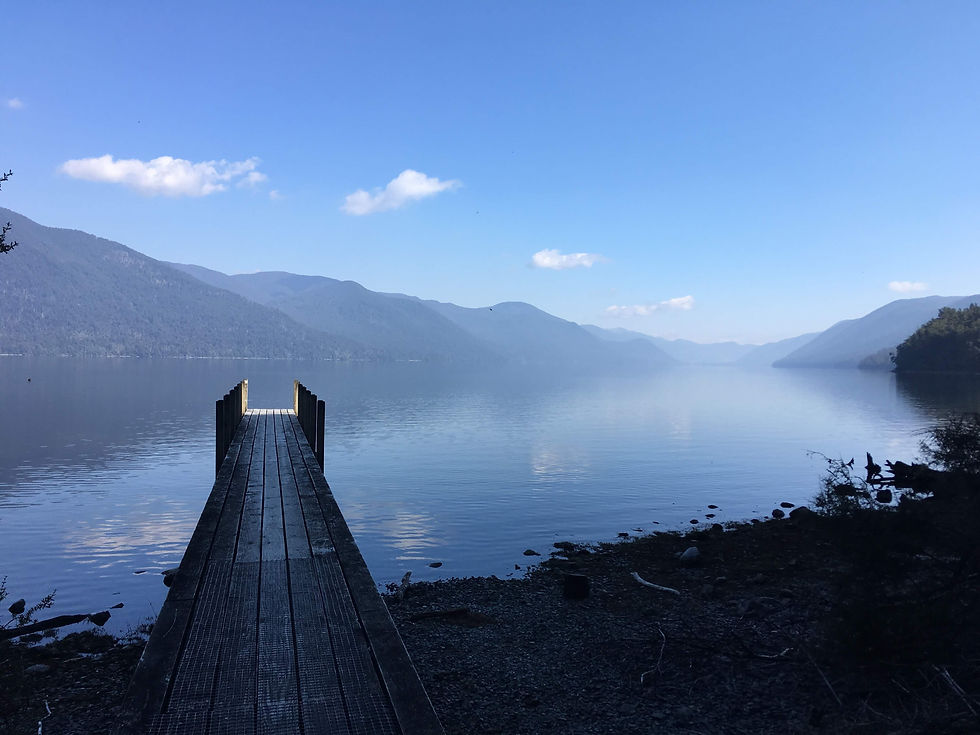
You’ve made it back to the car park — boots dusty, legs tired, pack straps leaving their mark. It’s that good kind of exhaustion that comes from a big day (or days) out on the trail. But what you do after the hike can make just as much difference as what you do on it.
Post-hike recovery is about giving your body what it needs to repair, rebuild, and get stronger for next time. Whether you’ve just finished a three-hour wander or a multi-day mission, these habits help you recover faster and keep you hiking for years to come.
🥤 Rehydrate and Refuel
The first step in recovery starts before you even take your boots off.
Hydration
Replace the fluids you’ve lost — especially if it’s been hot or you’ve done a lot of climbing. Water is great, but adding electrolytes helps restore sodium and minerals that water alone can’t.
💡 Tip: If you find water boring, try adding a splash of fruit juice, electrolyte tabs, or a pinch of salt and sugar to your drink.
Refuel
Within 30–60 minutes of finishing your hike, aim to eat a balanced meal or snack with both carbohydrates (to refill energy stores) and protein (to repair muscles).
Good options:
Wrap with chicken or tuna
Oats or muesli with yoghurt
Smoothie with banana, milk, and peanut butter
Or if you’re still on the trail — a hearty dehy meal will do!
🦵 Stretch and Mobilise
When you’ve been walking for hours, your muscles tighten — especially your calves, hamstrings, and hip flexors. A few minutes of gentle stretching makes a huge difference.
Post-hike stretch sequence (5–10 minutes):
Calf stretch: Against a wall or rock, 30 sec each side
Hamstring stretch: Sitting or standing, gentle pull on the back of the leg
Quad stretch: Hold your ankle behind you, 30 sec each side
Hip flexor lunge: Step one foot forward, tilt pelvis slightly
Shoulder and back roll: Loosen the upper body after pack carrying
💡 Tip: Don’t push too hard — gentle and sustained is best. You’re releasing tension, not chasing flexibility.
🧊 Soothe Soreness
DOMS (delayed onset muscle soreness) usually shows up 24–48 hours after a big hike. Here’s how to ease it:
Contrast showers: Alternate warm and cool water on your legs.
Light movement: A gentle walk, swim, or spin helps flush out stiffness.
Massage or foam rolling: Focus on calves, quads, IT bands, and glutes.
Compression gear: Great if you’ve been on your feet for long days.
🛏 Rest and Sleep
Your muscles repair while you rest — especially during deep sleep.
Aim for 8–9 hours the night after a big hike. If you’ve done a multi-day tramp, don’t be surprised if your body feels flat for a few days — it’s rebuilding strength.
💡 Tip: Gentle yoga, stretching, or a short evening walk can help reset your body and sleep better after a long day outside.
📆 Active Recovery Days
One of the best things you can do after a hike is move again — but gently.
On your recovery day, skip the heavy pack and try:
A light walk or cycle
Swimming or soaking in a hot pool
A short mobility or yoga session
Foam rolling or stretching in front of the fire
This helps circulate oxygen and nutrients through your muscles and clears out stiffness.
🧠 Mental Recovery
Recovery isn’t just physical — it’s mental too. Take time to reflect, download your photos, write a few notes in your tramping journal, or share your favourite moments from the trip.
That mental decompression is part of the process — it helps you savour the experience and reset for the next adventure.
🥾 Final Thoughts
The more you hike, the more you realise that recovery is part of the journey. Looking after your body post-hike means fewer injuries, more energy, and better performance next time.
So hydrate, stretch, eat well, and rest up — because the next trail will be waiting before you know it.
Stay inspired by the wild 🌲 Subscribe here for new hiking stories and tips.


I recently bought one of their low-priced tax-free vehicles and was extremely satisfied with the overall service. The vehicle offered excellent value for money, and the dealership handled everything professionally. Their friendly approach made the entire experience enjoyable. http://www.patriot-autos.net