


Training for Multi-Day Hikes: Building Strength and Stamina for Long Adventures
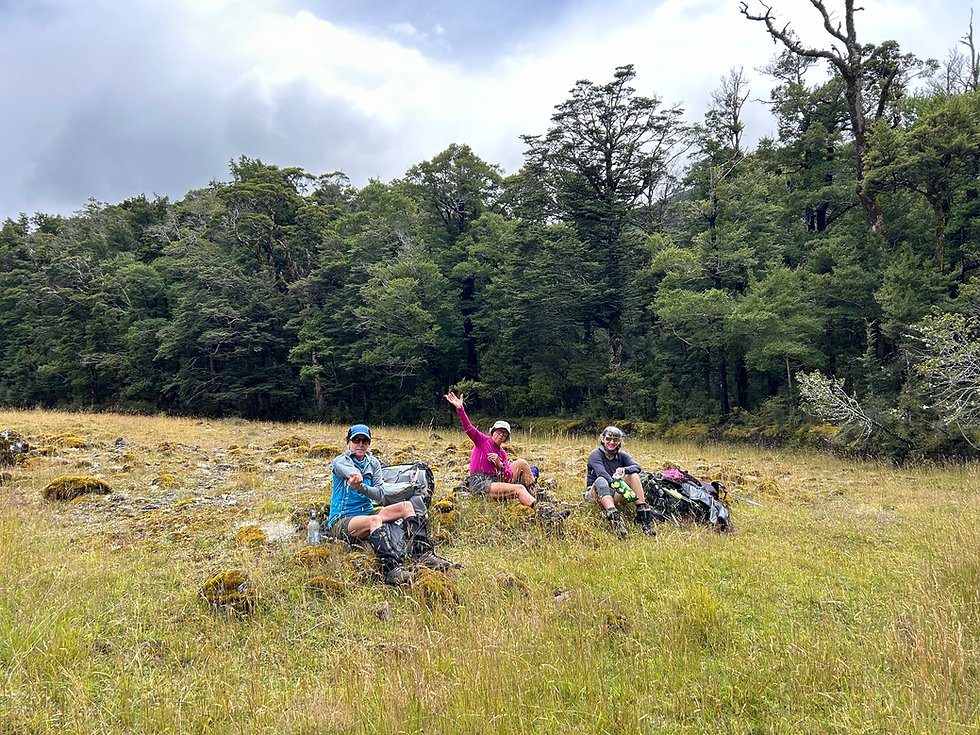
A multi-day hike is the ultimate test of hiking fitness — physical, mental, and emotional.
Days can blend together: early starts, long climbs, unpredictable weather, and tired legs.
But with the right training, your body learns to adapt — and your spirit learns to thrive.
💓 Cardio: Training for Consecutive Long Days
Multi-day hiking requires sustained aerobic endurance — the ability to walk for hours, recover overnight, and do it again.
At the gym:
Mix steady-state cardio (treadmill or bike) for 45–90 minutes with one interval session weekly (short bursts of high effort).
Try the stair climber with pack weight (such as a weighted vest or hand weights) to simulate real elevation.
Outside:
Plan back-to-back hikes each weekend — start small and build up.
Use a mix of terrain and elevation to prepare your body for variability.
Include a few long endurance days (6+ hours) once every couple of weeks.
💡 Tip: Focus on pacing and heart rate — you should be able to talk while hiking but still feel your heart working.
💪 Strength: Staying Stable and Injury-Free Over Consecutive Days
When you’re on the track for several days, fatigue sets in — that’s when good strength training pays off.
A strong body stays upright, protects joints, and keeps moving efficiently.
Gym-based:
Step-ups and Bulgarian split squats – mimic carrying weight uphill.
Deadlifts and hip thrusts – build strong glutes and hamstrings for power.
Plank variations and bird-dogs – strengthen core and stabilisers.
Cable rows or band pulls – counteract pack posture and improve back strength.
At home:
Bodyweight squats, lunges, and single-leg work for functional balance.
Use your pack for resistance or a full water bottle for added load.
Include push-ups and shoulder work to strengthen posture under a heavy pack.
💡 Tip: Aim for 2–3 strength sessions per week. Even short 20-minute home workouts count.
🏃♀️ Endurance: Hiking on Tired Legs
This is what multi-day hiking is all about — moving well when your body is already fatigued.
Training approach:
Back-to-back long hikes (e.g., Saturday and Sunday).
Include some elevation both days.
Practice hiking with full pack weight — you’ll adapt over time.
Occasionally train with mild fatigue — an evening walk after a gym session builds mental and physical resilience.
💡 Tip: Mental endurance matters as much as physical — train in different weather, terrain, and times of day to build adaptability.
🧘♀️ Stretching & Recovery on the Track
Recovery is essential during multi-day hikes. The better you recover each evening, the stronger you’ll feel each morning.
At the hut or tent:
Find a quiet space (or lie in your sleeping bag) and do gentle stretches:
Hip flexors – lunge position, stretch into the front of the hip.
Hamstrings – one leg out, lean forward slightly.
Calves – press heel into the ground.
Glutes – cross ankle over opposite knee, gentle pressure on top.
Lower back – hug knees to chest, small side-to-side rock.
💡 Tip: Do these before or after dinner while you’re winding down. It helps you sleep better and reduces next-day stiffness.
If space allows, elevate your legs against a wall or pack for a few minutes — it improves circulation and helps tired feet recover.
At camp:
Sit on your sleeping mat for insulation while stretching.
Use your drink bottle as a makeshift massage roller.
Breathe deeply to relax your muscles and calm your nervous system.
🏔️ In Summary
Training for a multi-day hike is about sustainability — building strength, stamina, and recovery habits you can repeat over and over.
Your body becomes more efficient, your pack feels lighter, and your confidence grows with every step.
It’s not about speed — it’s about steady progress, mindful movement, and knowing you’ve done the work to make each day feel just a little easier.
Stay inspired by the wild 🌲 Subscribe here for new hiking stories and tips.
Note: I am a qualified fitness instructor and have worked in the fitness industry for a number of years as both an instructor and personal trainer. If you have injuries or concerns always consult a professional.


Comments