


Gear Guide for Multi-Day Hikes in Autumn and Winter
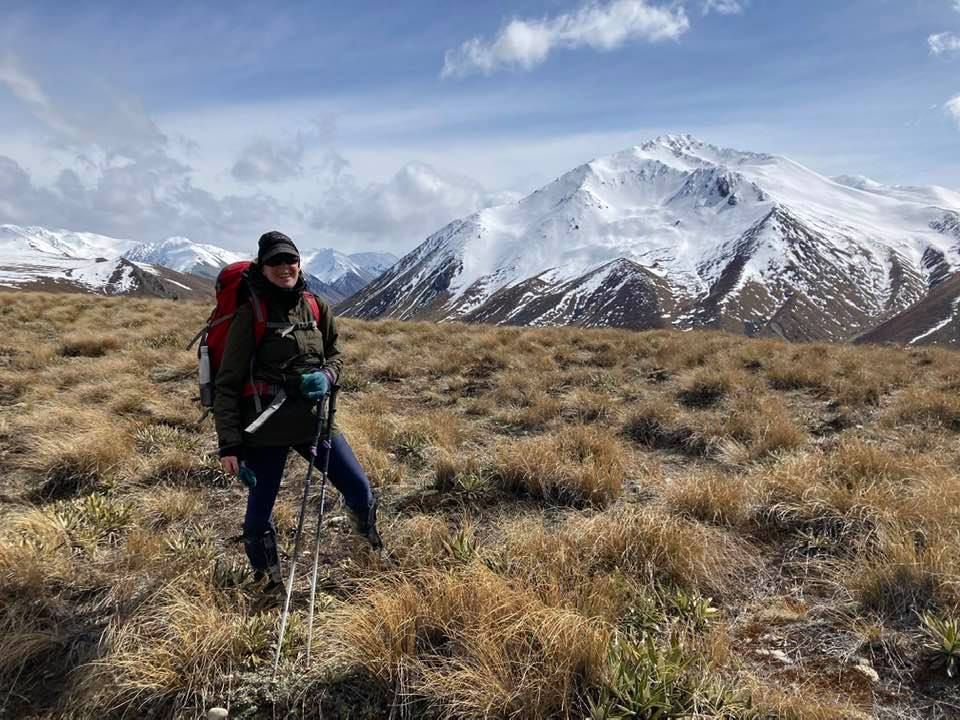
What to pack for cold-season tramping in New Zealand’s backcountry huts
Autumn and winter tramping in New Zealand hits different. The air is crisp, the tracks are quiet, the beech forest glows gold, and the mountains carry their first dustings of snow. With the right gear—and a warm hut at the end of each day—these seasons can be magical.
But colder months demand planning, warmer layers, and gear that can handle rain, mud, icy rivers, and shorter daylight hours. This guide covers exactly what you need for safe, comfortable, multi-day hut trips in autumn and winter.
🟦 Backpacks & Packing Systems
Backpack (55–70L)
Cold-weather gear is bulkier, so size up if needed. A supportive hip belt and good frame will make carrying heavier winter loads easier.
Pack Liner + Dry Bags
Autumn and winter = more rain and river volume. Waterproofing becomes essential.
Heavy-duty pack liner (rubbish bag works great)
2–3 dry bags for:
Sleeping bag
Hut clothes
Electronics & essentials
Tip: Consolidate when possible—hut clothes + sleeping bag can go in one big dry bag instead of several small ones.
🟧 Sleep System (Hut-Based)
Even in heated huts, nights can drop below freezing.
Sleeping bag rated between –5°C and –10°C comfort
Sleeping bag liner (adds warmth + protects your bag from hut mattresses)
Inflatable pillow
Warm hut socks (essential—your feet will thank you)
🟫 Clothing: Layering for Cold, Wet, Unpredictable Weather
Base Layers
Merino thermal top
Merino or synthetic leggings
Spare base layer for sleeping (keep it dry!)
Mid Layers
Fleece top
Heavyweight fleece or mid-weight insulated jacket
Warm hut clothes
Outer Layers
Waterproof rain jacket (15,000mm+ recommended)
Waterproof overtrousers
Down or synthetic puffer (a proper warm one)
Windproof gloves + warm gloves
Beanie or fleece hat
Neck gaiter or buff
Hiking Clothes
Quick-dry long sleeve or T-shirt
Tramping pants or shorts with thermal leggings underneath
2–3 pairs of warm hiking socks
🟥 Footwear
Winter-capable tramping boots with good grip
Gaiters (mud, snow, dew, river spray—just get them)
Hut shoes (crocs, jandals, or lightweight slippers)
🟨 Cooking & Food System
Cold weather means you burn more calories—so hot food and drinks matter.
Cook Kit
Gas stove + full gas can
Pot + lid
Mug
Long-handled spoon
Lighter + backup fire starters
Hot Drinks
Tea, coffee, hot choc, herbal tea
Electrolytes (you still sweat plenty in cold weather)
Food Ideas
Dehydrated dinners
Couscous or instant mash
Soups (brilliant in winter huts)
Wraps + cheese + salami
Winter snacks: nuts, choc, dried fruit, scroggin
🟪 Safety Gear (Colder months = higher risk)
PLB
First aid kit (beefed up with blister care + heat-related gear)
Emergency bivvy or blanket (essential)
Fire starter kit (both wet and dry ignition)
Navigation tools (map, compass, GPS/phone app)
Headlamp + spare batteries
Reflective item such as a small mirror
Microspikes (if track may be icy or above snowline)
Trekking poles (for slippery terrain)
🟫 Toiletries & Hygiene
Toothbrush + toothpaste
Hand sanitiser
Trail cloth (a game changer in any season)
Toilet paper in zip bag
Biodegradable wipes (cold weather makes washing harder)
SPF for those crisp bluebird days
Lip balm
🟩 Fun Extras (because winter huts are MADE for cosy evenings)
Winter nights are long—so pack a small game or two:
Quiddler (lightweight, brilliant for groups)
Qwirkle Travel Edition
Packable book or e-reader
Journal + pen
Hot water bottle (luxury item—but so good)
Extra chocolate (non-negotiable)
🟧 Electronics
Power bank (10k–20k mAh minimum in cold weather)
Chargers
Camera/GoPro
Headlamp (winter = more hours in the dark)
🟦 How to Pack for Cold-Season Tramping
Bottom of pack
Sleeping bag in dry bag
Hut clothes
Large items that can compress
Middle of pack
Food supply
Stove + cook kit
Puffer jacket (in a dry bag)
Top of pack
Rain jacket
Mid layers
First aid
Water
Maps/navigation
Outer pockets
Gloves, beanie
Snacks
Trail cloth
Sunscreen
Headlamp
Hip belt pockets
Phone
Snacks
Lip balm
Final Thoughts
Autumn and winter multi-day hiking brings out the best of NZ’s backcountry—misty mornings, quiet trails, no wasps, glowing forest, and those unforgettable hut nights around the fire. With the right gear, staying warm, dry, and comfortable is totally achievable.
Pack well, prepare for cold snaps, and enjoy the peaceful side of the mountains.
Stay inspired by the wild 🌲 Subscribe here for new hiking stories and tips.


Comments