


Should You Skip Lunch and Just Snack While Hiking?

When you’re out on the trail, it can be easy to lose track of time — you stop for photos, chat with your hiking mates, or simply keep moving because the views ahead look too good to pause for. Before you know it, it’s mid-afternoon, and you realise you never actually stopped for lunch.
So, is that a bad thing?
Or is snacking your way through the day enough to keep you going?
Let’s break down whether it’s okay to skip lunch and rely on snacks, and how to know what’s right for you and your hike.
🥾 The Case for “Snack-Style” Hiking
More and more hikers are swapping a traditional sit-down lunch for a steady flow of snacks throughout the day. And for good reason — there are some real advantages.
1. Keeps Your Energy Stable
Eating small amounts regularly helps maintain steady blood sugar levels, preventing that mid-afternoon crash. Your body gets a slow, consistent energy drip rather than one big refuel and burn.
2. Less Stopping Time
If you’re trying to cover distance or beat weather moving in, snacking on the go means you don’t have to unpack, set up, and then repack a full lunch stop. It’s a time saver, and sometimes a heat saver in cold or windy conditions.
3. Easier on the Stomach
For some people, eating a big meal mid-hike can lead to sluggishness or cramps. Grazing instead of feasting keeps digestion easy, allowing you to move comfortably without that heavy “I just ate” feeling.
4. Simplicity and Convenience
Snacks are quick, no-cook, and mess-free. You can eat them one-handed while walking, or throw them in a jacket pocket for easy access between breaks.
🥪 Why a Real Lunch Still Has Its Place
While snack-style hiking works for many, there are times when skipping lunch isn’t the best choice.
1. You’re Burning More Energy Than You Think
Hiking — especially in steep, uneven, or cold terrain — burns a surprising number of calories. Without a proper meal, you may start feeling fatigued, dizzy, or mentally flat later in the day. A solid lunch helps replenish glycogen stores and keeps you strong for the afternoon push.
2. Rest Time Matters
Stopping for lunch isn’t just about food — it’s also about giving your body a break. Taking your pack off, sitting down, stretching, and rehydrating all play a role in recovery during a long hike.
3. Snacks Don’t Always Cover Nutrition Gaps
Most trail snacks are high in carbs and sugar — great for quick energy, but lacking in protein and fats that help with long-lasting endurance and muscle repair. A proper lunch gives you that nutritional balance.
🌤️ It Depends on the Hike and the Conditions
Whether you snack or stop often comes down to the length, intensity, and season of your hike.
🥵 In Summer:
Hot weather often kills the appetite, and stopping in full sun isn’t appealing. Snacking works well — just make sure to replenish electrolytes and drink plenty of water.
❄️ In Winter or Cold Conditions:
A proper meal can help keep your core temperature up and restore energy faster. Warm food or even a quick soup can make a huge difference in comfort and stamina.
⛰️ On Short Day Hikes:
You can easily get away with grazing — especially if your total hike time is under 4–5 hours.
🎒 On Long or Multi-Day Hikes:
You’ll need more structure. Your body is working hard for extended periods, so consistent refuelling — including a real lunch — is key to recovery and performance.
🍫 How to Find Your Balance
There’s no one-size-fits-all rule here — the best approach is usually a mix of both.
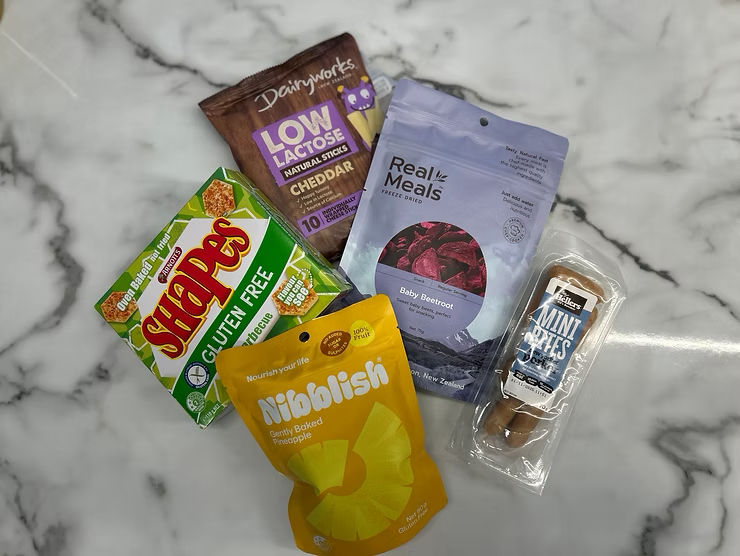
Snack regularly (every 60–90 minutes) with nuts, dried fruit, bars, or jerky.
Plan a small but substantial lunch that’s easy to eat — think wraps, rice cakes with cheese, or trail pizzas.
Listen to your body. If you’re feeling flat or irritable, it’s probably time for something more than just a handful of trail mix.
🥾 Final Thoughts
Skipping lunch and just snacking works — sometimes. It’s great for shorter hikes, fast-moving days, or when the weather’s too wild to stop. But for longer or more demanding trips, a proper meal and rest break can make all the difference in how you feel by day’s end.
As with most things in hiking, it’s all about balance — fuelling your body in a way that supports your adventure, not hinders it.
So whether you’re a grazer or a sit-down lunch kind of hiker, the goal’s the same: stay nourished, stay strong, and enjoy every step of the trail.
Stay inspired by the wild 🌲 Subscribe here for new hiking stories and tips.


Comments